Water Remediation in Wilmington, NC
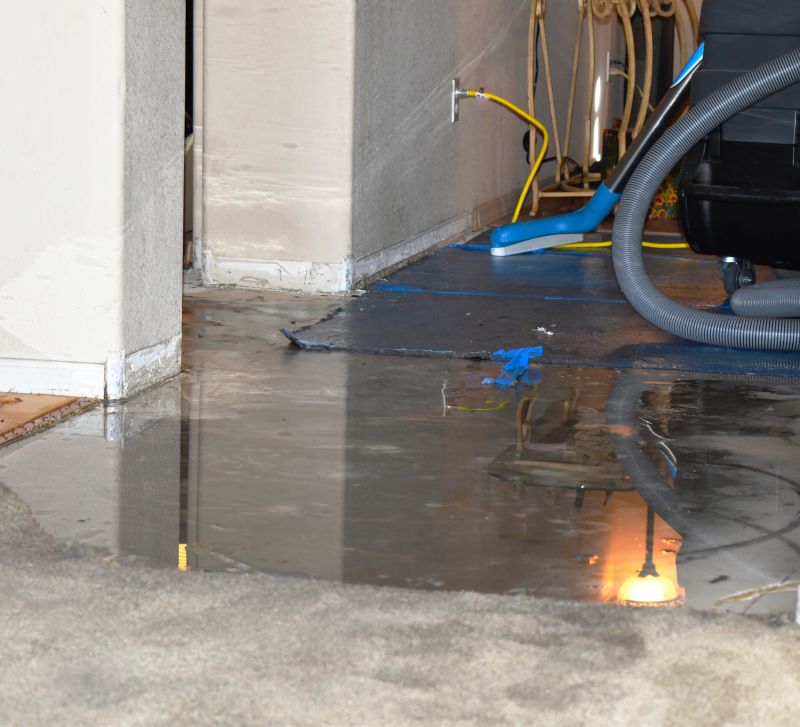
Water remediation services involve identifying and addressing issues caused by excess moisture, flooding, or water intrusion within residential properties. These projects typically include water extraction, drying, mold prevention, and cleanup after incidents such as burst pipes, severe storms, or flooding events. Homeowners often seek these services to restore safety and comfort, prevent property damage, and reduce the risk of mold growth. Before requesting water remediation, property owners should understand the extent of water intrusion, the sources of moisture, and any visible signs of damage or mold, as these details help determine the appropriate scope of work.
It is important for homeowners to clarify what areas are affected, whether there has been ongoing moisture or mold issues, and if structural components or personal belongings are involved. Understanding the severity of the water problem and any previous attempts at cleanup can assist in planning effective remediation. Property owners should also consider any health concerns related to mold or contaminated water, and inquire about the methods used to ensure thorough drying and contamination removal. This information supports informed decisions about addressing water-related damage and restoring a safe living environment.
Many property owners in Wilmington, NC look into Water Remediation for repairs, replacements, upgrades, and appearance-related improvements.
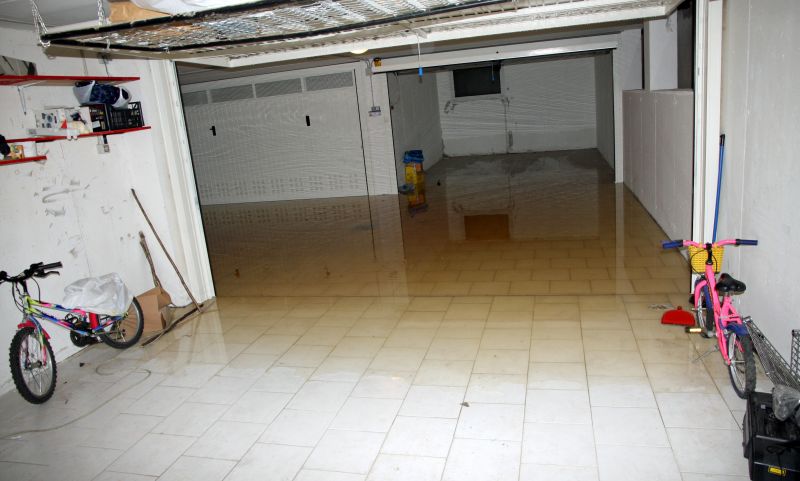
Water Damage Restoration
Restoring properties affected by leaks, floods, or plumbing failures in wilmington and surrounding areas.
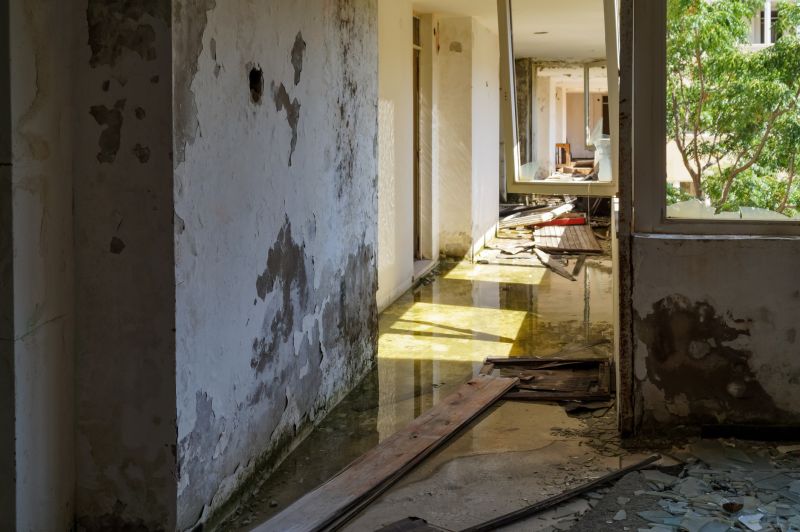
Mold And Mildew Removal
Eliminating mold growth caused by excess moisture to improve indoor air quality and protect your home.
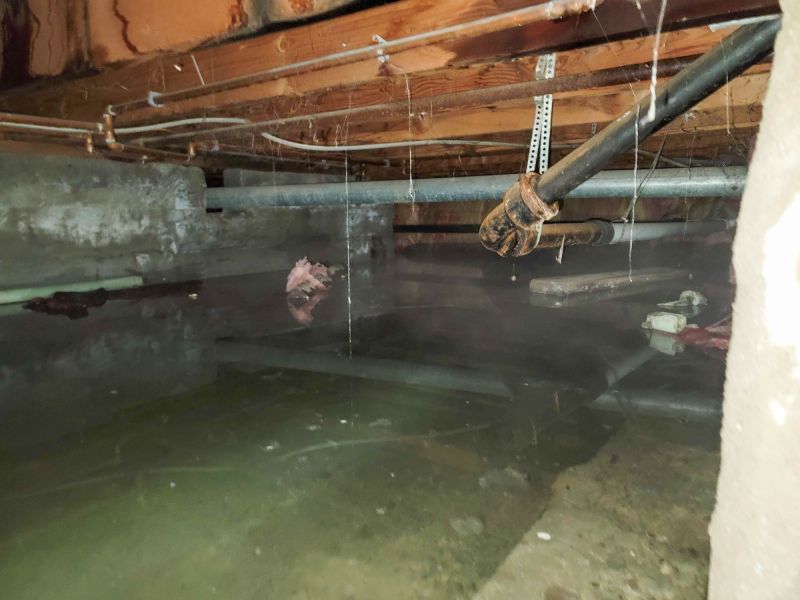
Flood Cleanup Services
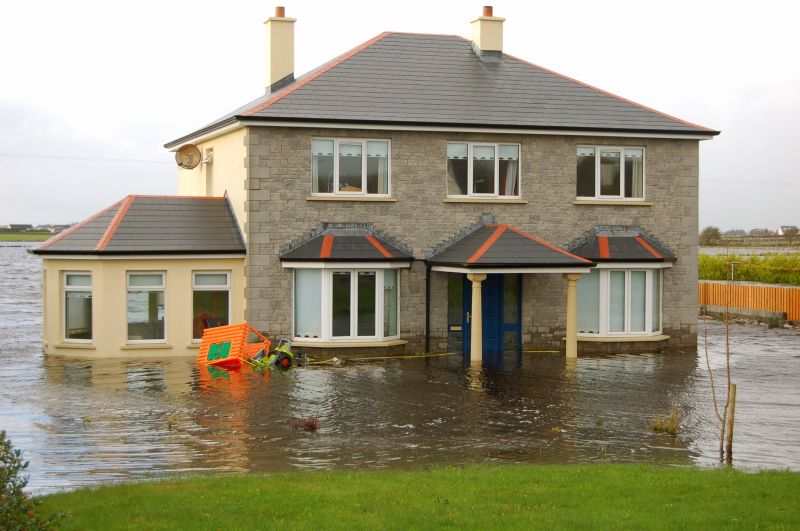
Providing thorough cleanup and drying after flooding events to prevent further damage and mold growth.
Water Remediation in Wilmington, NC
Water remediation services involve identifying and addressing issues caused by excess moisture, flooding, or water intrusion within residential properties. These projects typically include water extraction, drying, mold prevention, and cleanup after incidents such as burst pipes, severe storms, or flooding events. Homeowners often seek these services to restore safety and comfort, prevent property damage, and reduce the risk of mold growth. Before requesting water remediation, property owners should understand the extent of water intrusion, the sources of moisture, and any visible signs of damage or mold, as these details help determine the appropriate scope of work.
It is important for homeowners to clarify what areas are affected, whether there has been ongoing moisture or mold issues, and if structural components or personal belongings are involved. Understanding the severity of the water problem and any previous attempts at cleanup can assist in planning effective remediation. Property owners should also consider any health concerns related to mold or contaminated water, and inquire about the methods used to ensure thorough drying and contamination removal. This information supports informed decisions about addressing water-related damage and restoring a safe living environment.
Many property owners in Wilmington, NC look into Water Remediation for repairs, replacements, upgrades, and appearance-related improvements.
Common Water Remediation Jobs
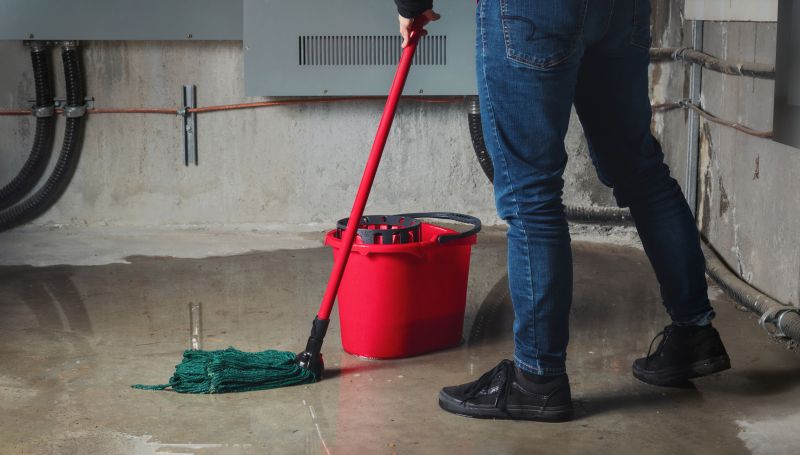
Water Damage Cleanup - removing excess water and drying affected areas to prevent mold growth.
Mold Remediation - identifying and eliminating mold colonies caused by water intrusion.
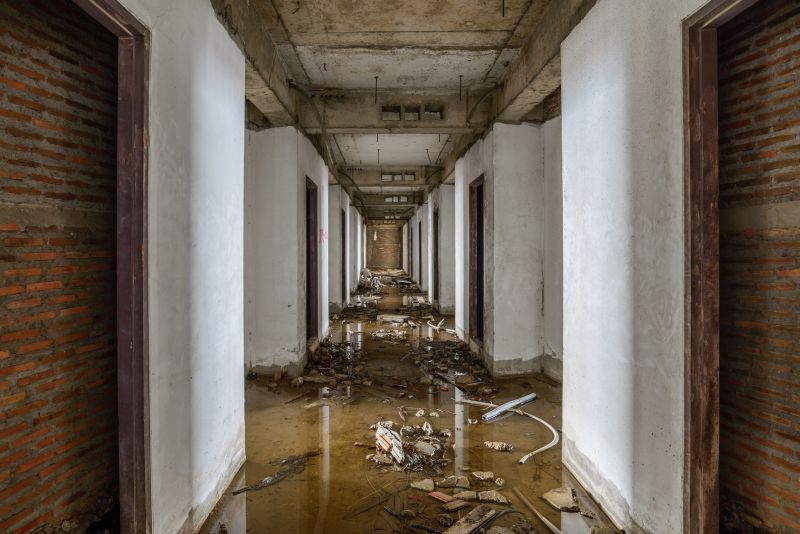
Sewage Backup Removal - safely extracting contaminated water and sanitizing affected spaces.
Flood Restoration - restoring property after flood events through water extraction and drying.
Pipe Leak Repair - fixing leaks that can cause water damage and indoor moisture issues.
Water Testing - analyzing water quality to detect contaminants and ensure safety.
Water Remediation Questions
What types of water issues require remediation? Water remediation addresses problems like flooding, sewage backups, or persistent moisture that can lead to mold growth and property damage.
How can water remediation improve indoor air quality? Removing excess moisture and mold helps reduce airborne allergens and prevents health issues related to damp environments.
Is water remediation necessary after a flood? Yes, it helps remove standing water, dry out affected areas, and prevent mold and structural damage.
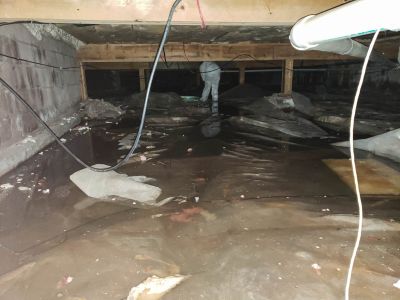
What property features are most vulnerable to water damage? Basements, crawl spaces, and areas around plumbing fixtures are common spots prone to water issues requiring remediation.
Request Water Remediation in Wilmington, NC
Use the quote form on this page to share the basics of your project and request more information for the type of work you need.